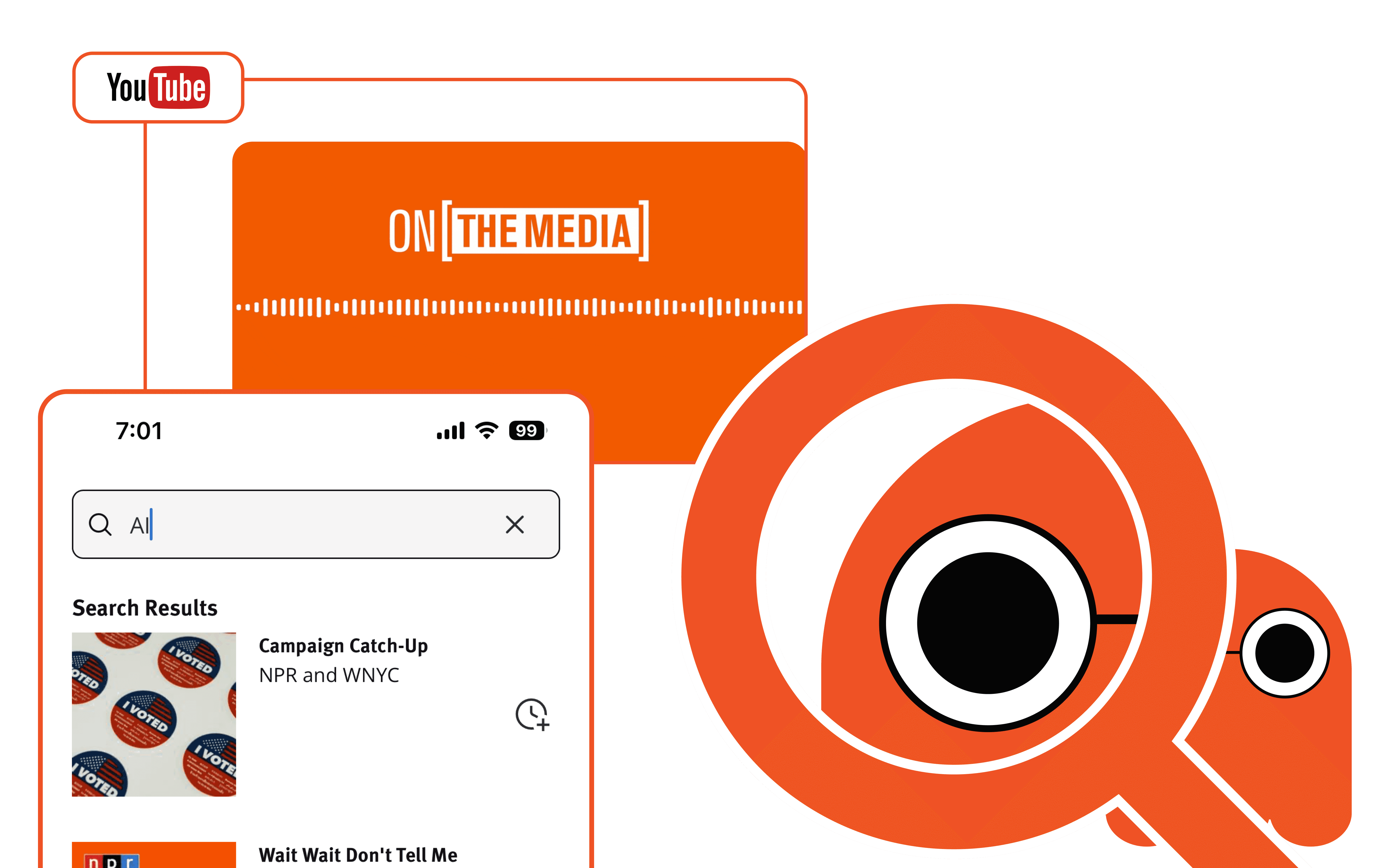
OTM’s absence of a cross-platform strategy limits its discoverability among new and younger audiences. Its long-form content also lacks clear entry points to help them get started.
DURATION
12 weeks
TEAM
Lan-Ting K
CLIENT
WNYC
SERVICE
Content Strategy
Product Design
TOOLS
Figma
Role
My Role
Background
What is On The Media?
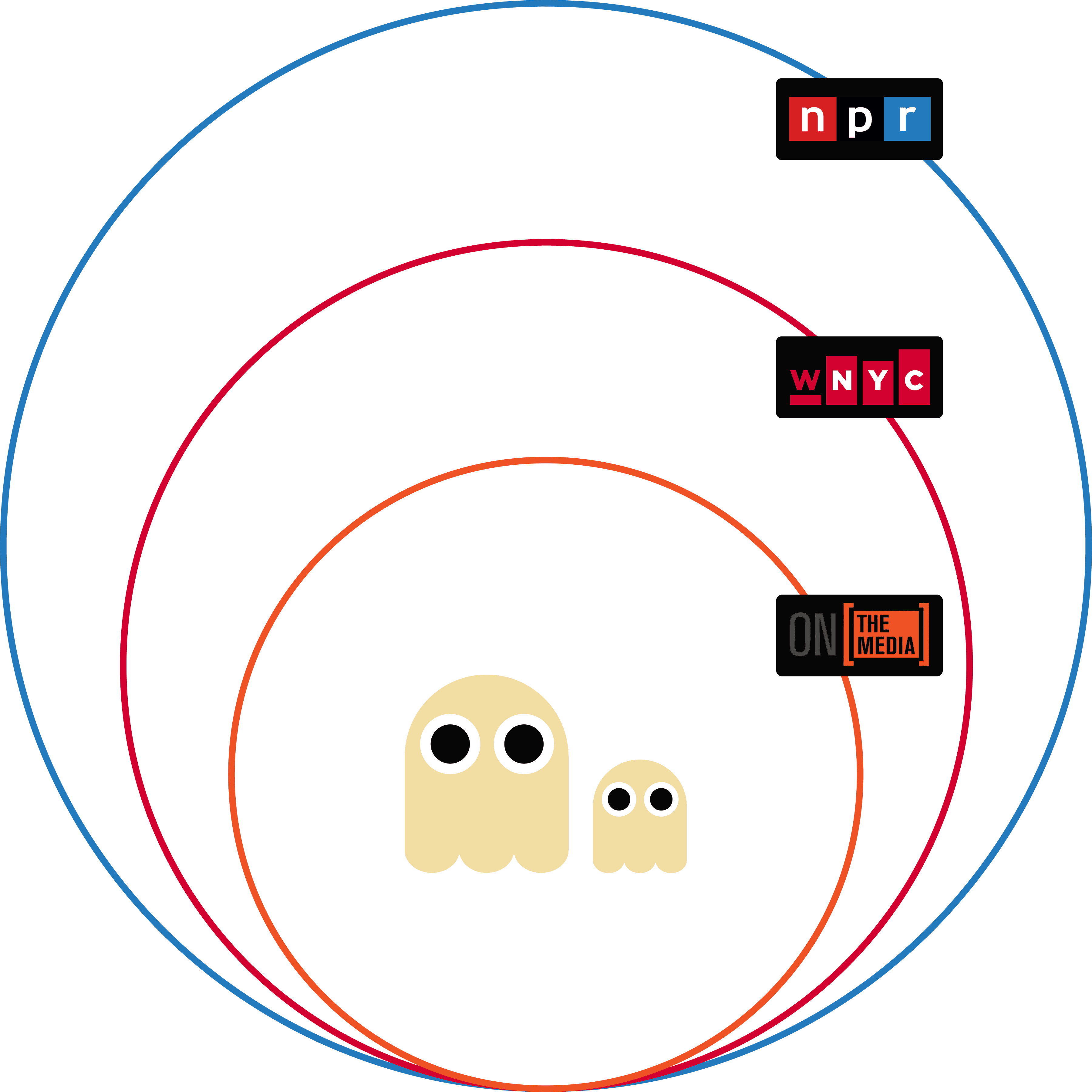
NPR provides a national broadcast network for public radio shows across the U.S. WNYC is one of its member stations and produces a range of original programs through WNYC Studios. On the Media is one of these programs. The show provides weekly investigation into how the media shapes our worldview.
“… the show does not do ‘hot takes’ … It helps listeners understand where they should be paying attention(and what they can afford to ignore) …”
(On the Media Website)
Problem
Struggling to Reach New Listeners
OTM faces challenges in attracting and retaining new and younger audiences. Without a clear cross-platform strategy, the show struggles to reach and engage new listeners. Its deep content also lacks clear entry points and strong discoverability, making it hard for new audiences to know where to begin.
Method
Analyzing Current Content
To understand why OTM struggles to attract new and Younger listeners, I examined the content from four angles
Where is OTM currently showing up?
#Competitor Analysis
#Content Audit
What content is OTM offering?
#Brand Tone
#Editorial Strategy
#Content Class
#Content Channel
#Content Production
How is that content organized?
#Meta-data Model
#Content Model
How do users experience it?
#Content Usability Testing
#Mobile Content
Assessment
#Voice-based Content Assessment
#Persona & User Journey
What did I find?
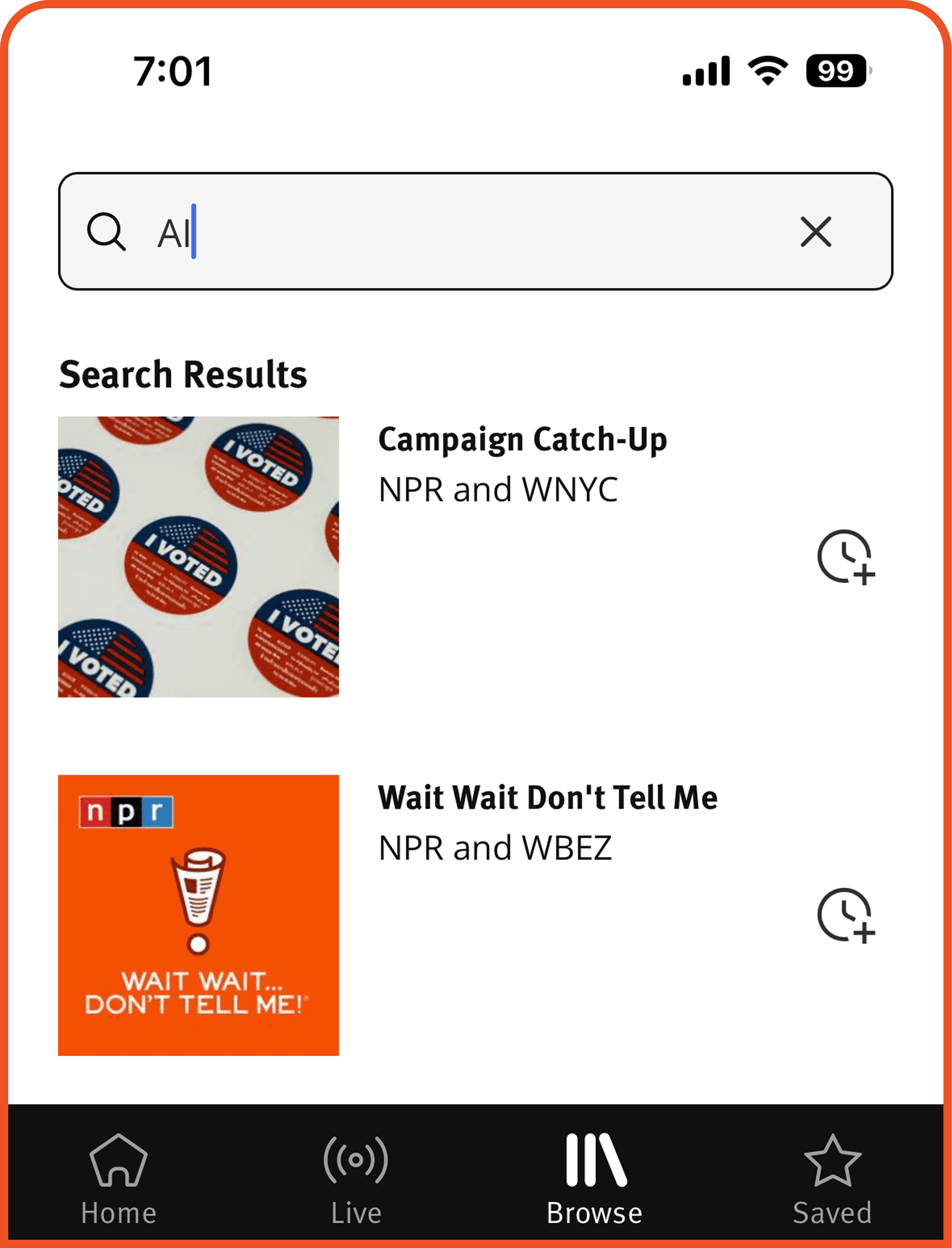
Finding #1 People can’t easily find OTM episodes on the topics they care about
Many listeners are topic-driven, but the WNYC app lacks keyword-based searching, tagging, and metadata models that help listeners find relevant episodes. This creates a discoverability gap for new audiences unfamiliar with OTM’s catalog.
What did I find?
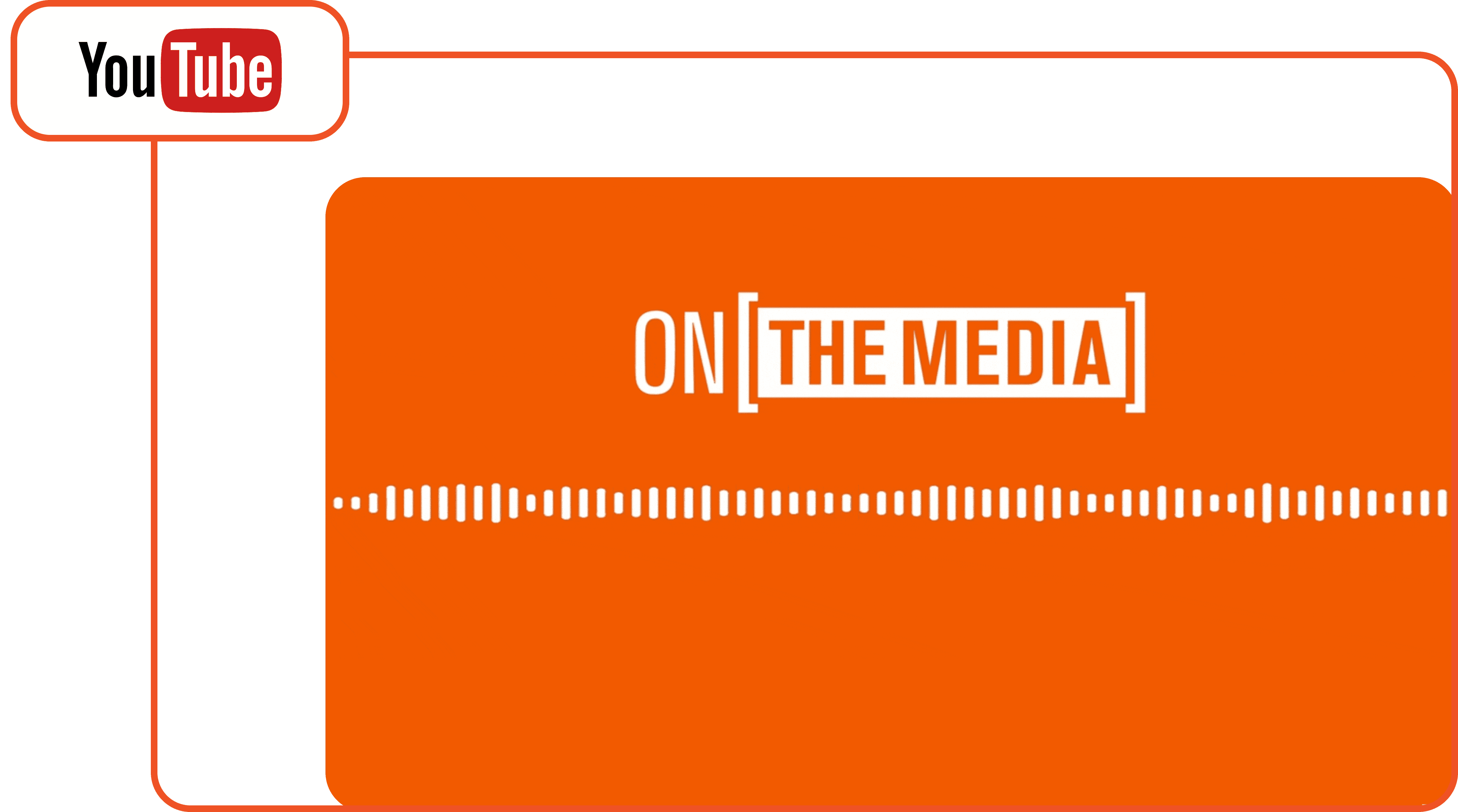
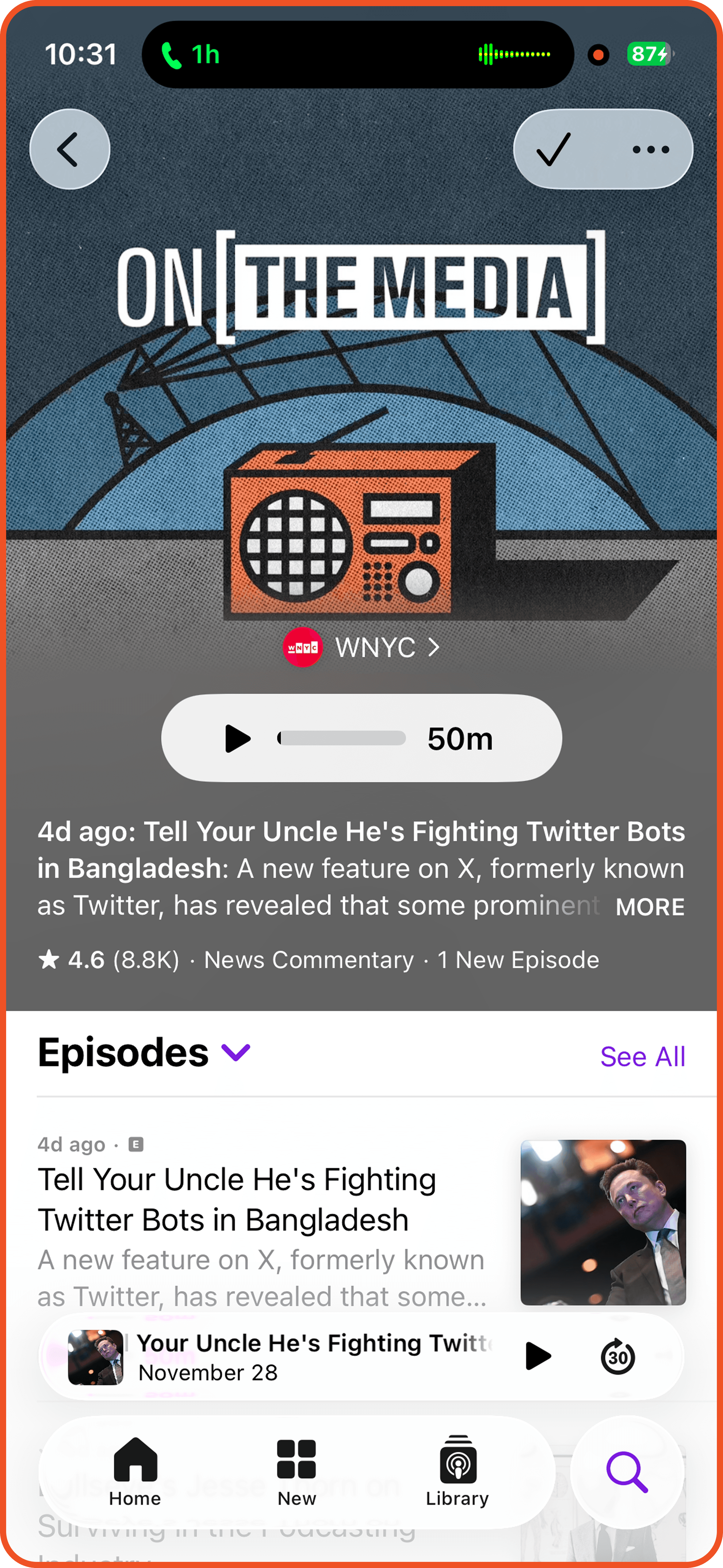
Finding #2 Lack of platform-native adaptation limits engagement
OTM distributes identical long-form audio across YouTube, NPR.org, the WNYC app, and podcast platforms. Without visual formats or platform-specific cuts, the content does not meet user expectations—especially on visually-oriented platforms—reducing the likelihood of discovery and engagement.
What did I find?
Finding #3 No short-form “entry points” for deep content
OTM’s 10–50 minute format works well for existing fans but creates a high barrier to entry for new or casual audiences. Without short, introductory formats, users have no low-investment way to sample OTM’s voice or understand its unique value.
Strategy
The content that “On the Media” produces helps the entity accomplish greater discoverability and higher audience entry by adding keywords or tags to optimize search results, and by providing platform-appropriate and bite-sized content that makes new and young audiences feel invited or curious so that they can quickly understand what OTM stands for or easily find stories that matter to them.
Recommendation
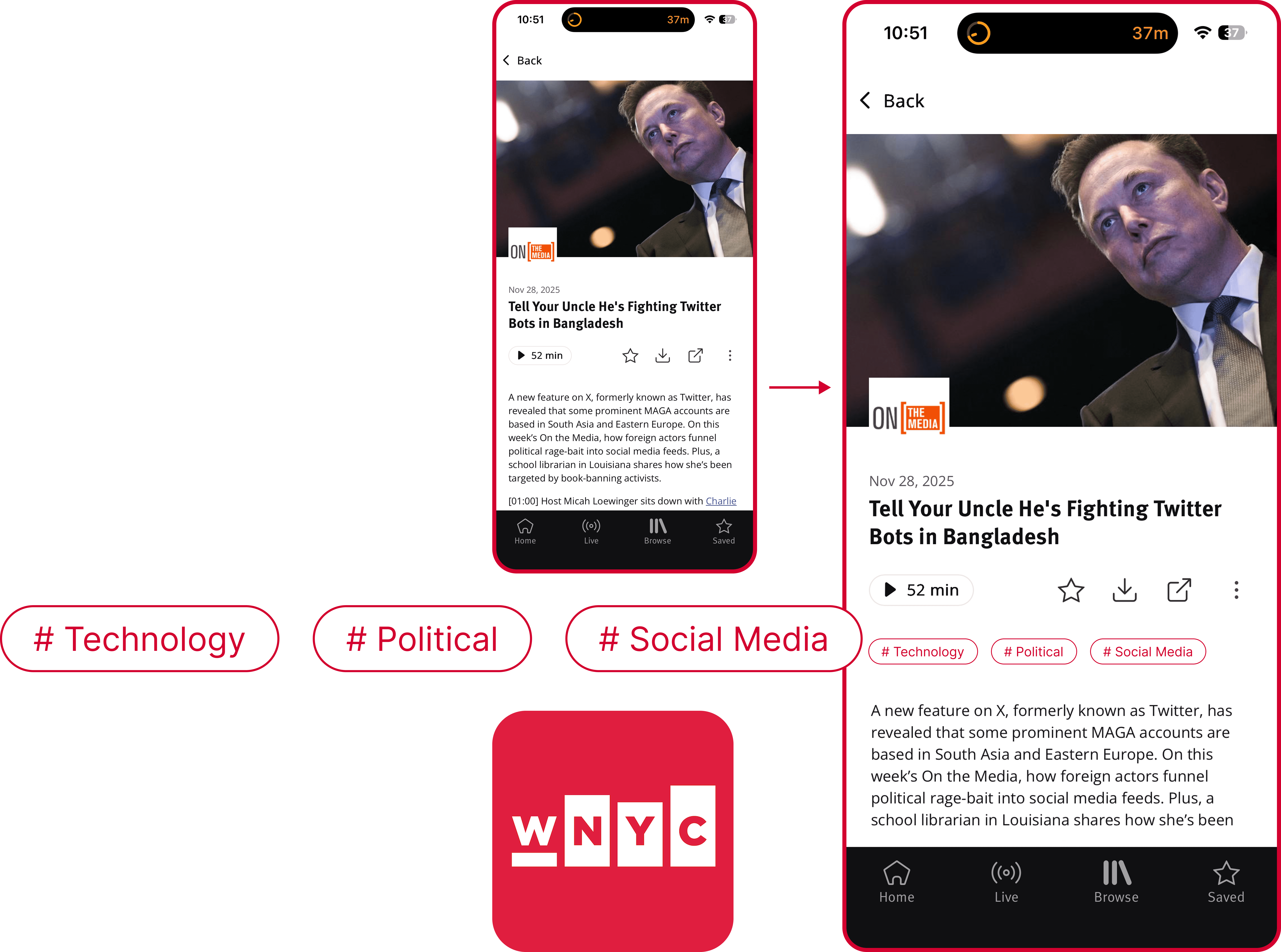
Recommendation#1 Add keywords/tags to optimize the search results
Recommendation
Recommendation#2 Adapt content formats for different platforms
OTM distributes identical long-form audio across YouTube, NPR.org, the WNYC app, and podcast platforms. Without visual formats or platform-specific cuts, the content does not meet user expectations—especially on visually-oriented platforms—reducing the likelihood of discovery and engagement.
“Since the podcast is available on both YouTube and other streaming platforms, I think it would be better if they added video content to the YouTube version.” - Participant 11
Recommendation
Recommendation#3 Create one-bite entry points for OTM’s deep content
Providing short, one-bite entry points would help new audiences quickly understand OTM’s mission, goals, and editorial style before committing to a full episode.
From Level 1 → Level 2
Conduct a diary study
To understand how young audiences naturally encounter, choose, and engage with content across their daily routines, and identify what types of content formats resonate most.